A Las Vegas tattoo photograph can tell a story before a reader reaches the article. The caption helps establish whose work appears, what the photograph actually shows, and which details are still uncertain. Preparing that information is a useful part of sharing your tattoo with a publication, especially when a holiday memory and the artist’s professional credit belong in the same story.
Identify the work before describing the memory
Start with the artist’s preferred professional name and the studio name that applied when the work was made. Link the artist’s own page if you have it. If the artist has since moved, distinguish the original session from their current workplace rather than combining the two into a misleading credit.
Then describe the visible subject in plain language. A bird, flower, or abstract shape does not establish the wearer’s intended meaning. Let the person whose tattoo appears supply that connection, and ask whether they want it included publicly.
Separate the session date from the photo date
A photograph taken during a return visit is not automatically a photograph from the original appointment. Record when the tattoo was made and when this image was taken, using only the precision you can support. If you remember the month but not the day, say so. Never select a convenient date simply to complete a submission form.
Explain whether the image was taken during the session, immediately afterward, or later. Do not label a photograph as healed just because it was saved months ago. The date you downloaded an image says nothing about the stage it depicts.
Keep three credits separate
The tattoo artist, the photographer, and the person submitting the file may be different people. List each role separately. Supplying a photograph does not, by itself, establish that the sender can authorize every proposed use. Include the photographer’s contact or original permission record through the editorial channel if it is needed to check the submission.
Keep private contact details out of the proposed public caption. For network editorial questions, use editorial@lasvegastattooculture.com. Describe what you are offering and which uses you have actually discussed; do not imply that an unanswered request is permission.
Choose the location detail you want public
A Las Vegas setting can matter to the story without requiring a hotel room number, a travel itinerary, or another person’s address. Decide which location facts are relevant and appropriate to share. If a photograph was made elsewhere after a Las Vegas appointment, make that distinction clear instead of presenting the image as a local studio scene.
Our guide to writing a personal Las Vegas tattoo story explains how to separate recollection from documented background. The same discipline makes a short caption more useful.
Send a caption an editor can check
A practical submission note identifies the file, describes the tattoo, names the artist and photographer, gives the known dates, and states what may be shared. Mark missing information openly. Keep the personal story in a separate paragraph so the editor can distinguish a factual credit from the meaning you attach to the work.
Read the published caption and image credit when the feature appears. If something is wrong, send the article URL, identify the affected photograph, and explain the correction with supporting information. A precise request gives the editor something concrete to verify.
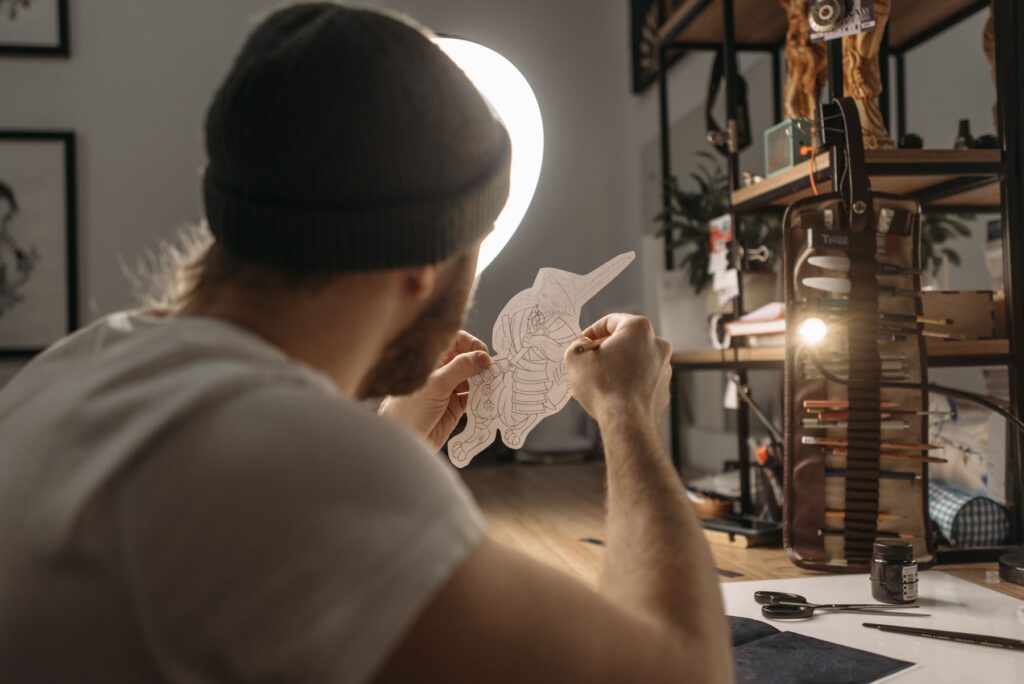
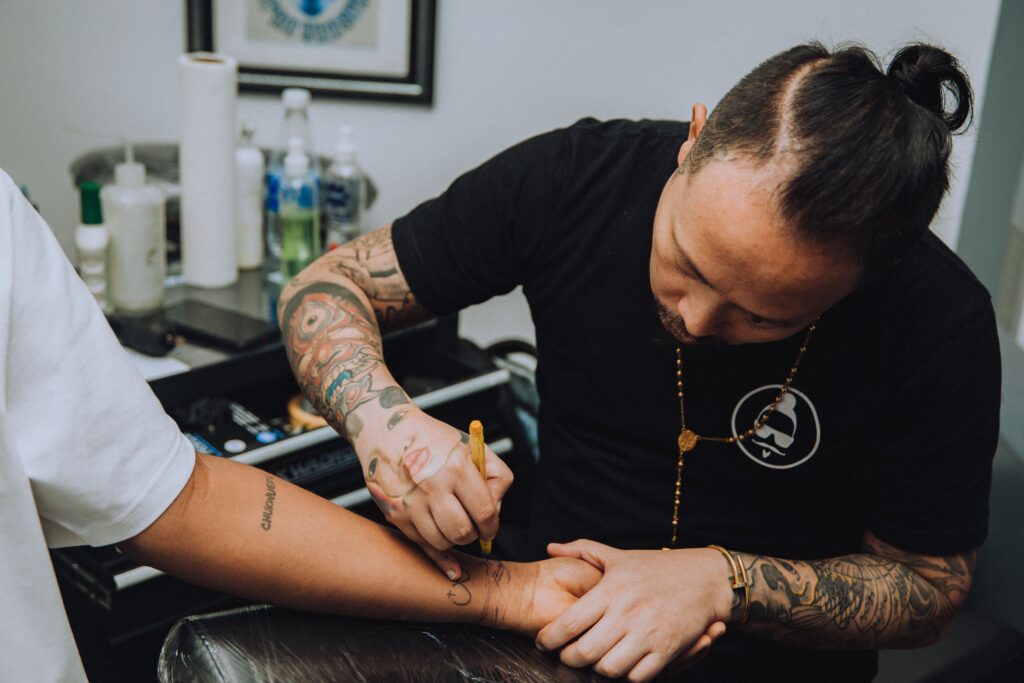
The representative studio photograph accompanying this guide is licensed stock, not a submitted Las Vegas artist’s portfolio or a local endorsement. Its source and reuse terms are recorded in TIP under the Pexels License.