A healed tattoo photograph can make a portfolio conversation more useful, but it needs context. It shows one piece of work at one point in time, on one person’s skin, under one set of lighting conditions. The goal is to understand how an artist plans for a design to remain readable, not to turn a phone image into a guarantee.
Ask when the photograph was made
A fresh tattoo and a fully settled tattoo answer different questions. Fresh work can show the artist’s immediate execution. A later photograph can show how line weight, contrast, and empty space read after the first stages of healing. If a post says “healed,” ask how long after the session it was photographed and whether the piece had a touch-up.
That question is especially useful when you are looking at fine detail, soft shading, or color. A strong portfolio should give you a way to discuss those choices rather than promise that every design will age in the same way.
Read the whole piece before zooming in
Start at normal viewing distance. Can you understand the main shape and the relationship between dark areas and open skin? Then look more closely at individual lines and transitions. Extreme close-ups can reveal craft, but they can also hide placement and the way a piece works as a whole.
Ask for a wider photograph when you are planning a sleeve, a back piece, or work near an existing tattoo. Curves, joints, and neighboring artwork change how a composition reads. A well-chosen crop can be beautiful without showing those relationships.
Compare like with like
One healed floral piece on an arm is not a direct prediction for a tiny symbol on a finger or a large portrait on a leg. Compare examples with similar size, placement, and visual density when possible. If the portfolio does not include a close match, invite the artist to explain what they would change about your idea to suit the location and scale.
Watch for consistency across several examples: clear focal points, space between details, and a design that still reads without the dramatic lighting of a studio photograph. Keep in mind that photographs can differ in exposure, color balance, and editing. Ask to see ordinary lighting when an image leaves you uncertain.
Respect the person behind the image
Healed photographs often depend on a client returning months later and agreeing to be photographed again. Some artists will have fewer follow-up images because clients travel, prefer privacy, or simply do not send updates. A missing photograph is a prompt for a question, not a reason to invent a conclusion about the artist’s skill.
Credit matters too. On a shared studio feed, confirm who tattooed the work and whether the same person would take your booking. If you save an image to explain what you like, describe the feature you admire. Ask for your own design, with its own placement and proportions.
Use the portfolio to guide a consultation
Choose three or four examples that speak to your idea. For each one, write a brief note: “I like the open space,” “I like the bold outline,” or “I like the way this wraps around the arm.” Add a photograph of your intended placement and a rough size. This gives the artist more to work with than a folder of images without explanation.
Ask how the artist would keep the main idea legible, what detail they would simplify, and whether the design needs more room. You can also ask what a healed follow-up typically looks like in their practice. The artist’s response should help you understand their process, including where they see tradeoffs.
For more preparation, see LVTC’s tattoo culture coverage and the companion artist-selection guide. Your artist’s aftercare guidance remains the right starting point after an appointment; product links are separate from that advice.
Frequently asked questions
Does a healed photo prove how my tattoo will age?
No. It is evidence about that piece and that client’s circumstances. Use several examples and ask the artist how your proposed size, placement, and design density compare.
What if there are no healed examples of my exact style?
Ask for the closest examples and a clear explanation of the changes the artist would make for your project. You can take time to compare other portfolios before booking.
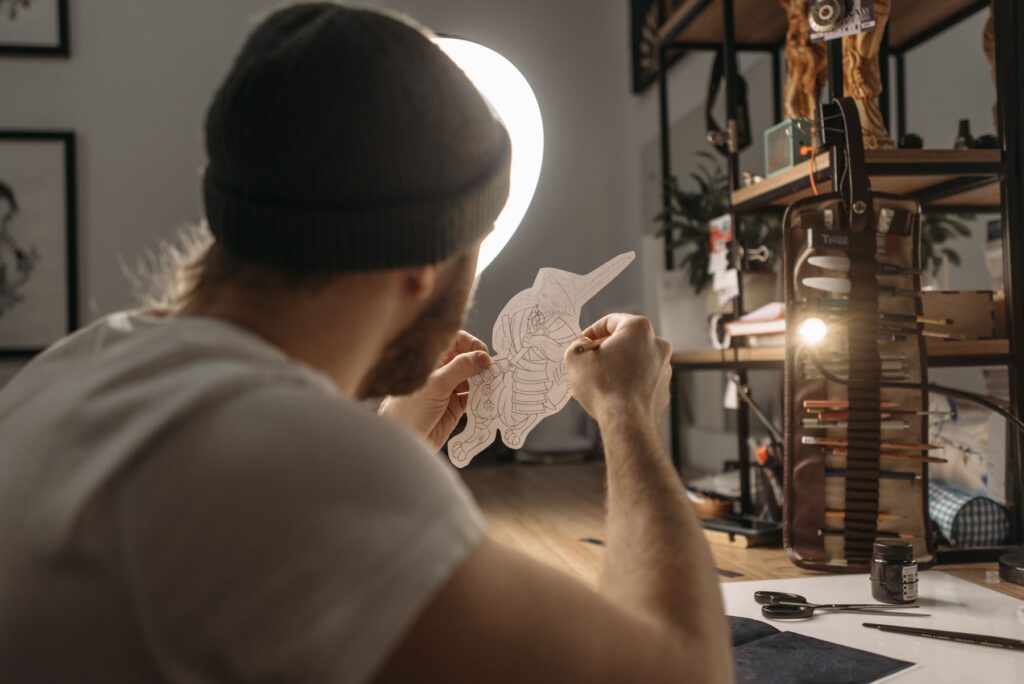
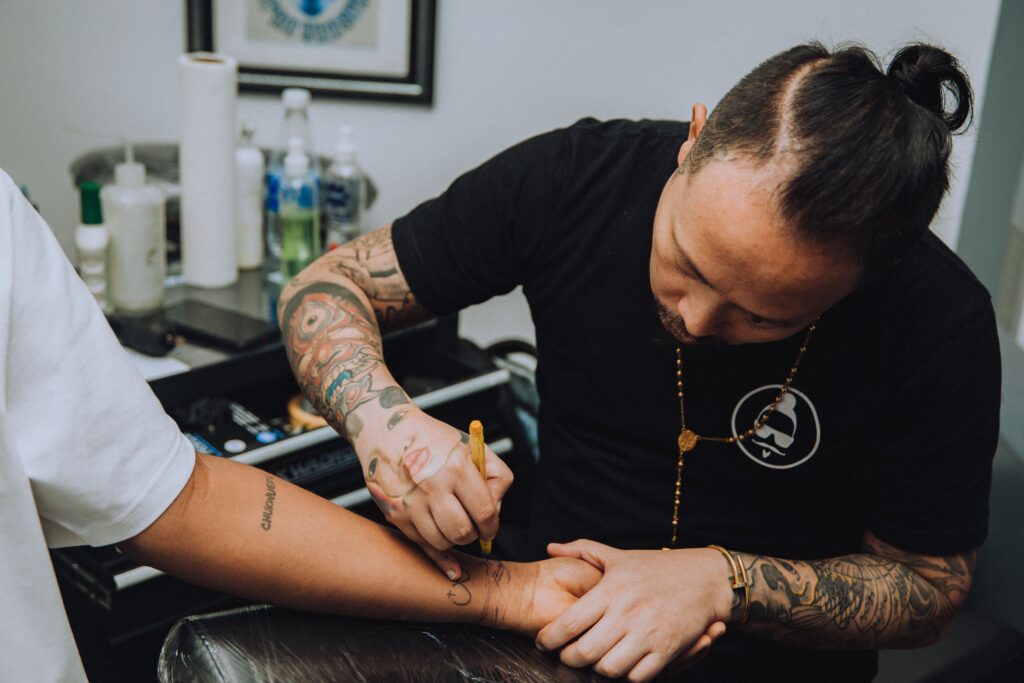
Featured image: a licensed, reviewed photograph of an artist working on a design. It is representative imagery; no local artist or studio endorsement is implied. Source and reuse permission are documented in TIP.